VERIFIED WORKFLOW AUTOMATION

The work your team repeats, done faster without disrupting the business.

I map how the work actually runs, decide which steps are safe to automate and which need a person, and scope one pilot. Every number in the pilot is cited to a source, and your experts review the output before it ships.

For businesses with a recurring workflow that eats hours: client onboarding, quoting and proposals, report production, invoicing and intake, lab data, design QA. You do not need to be using AI already. One workflow worth fixing is enough.

Currently booking engagements for fall 2026.

One workflow at a time Client-owned implementation Every critical output traced or flagged
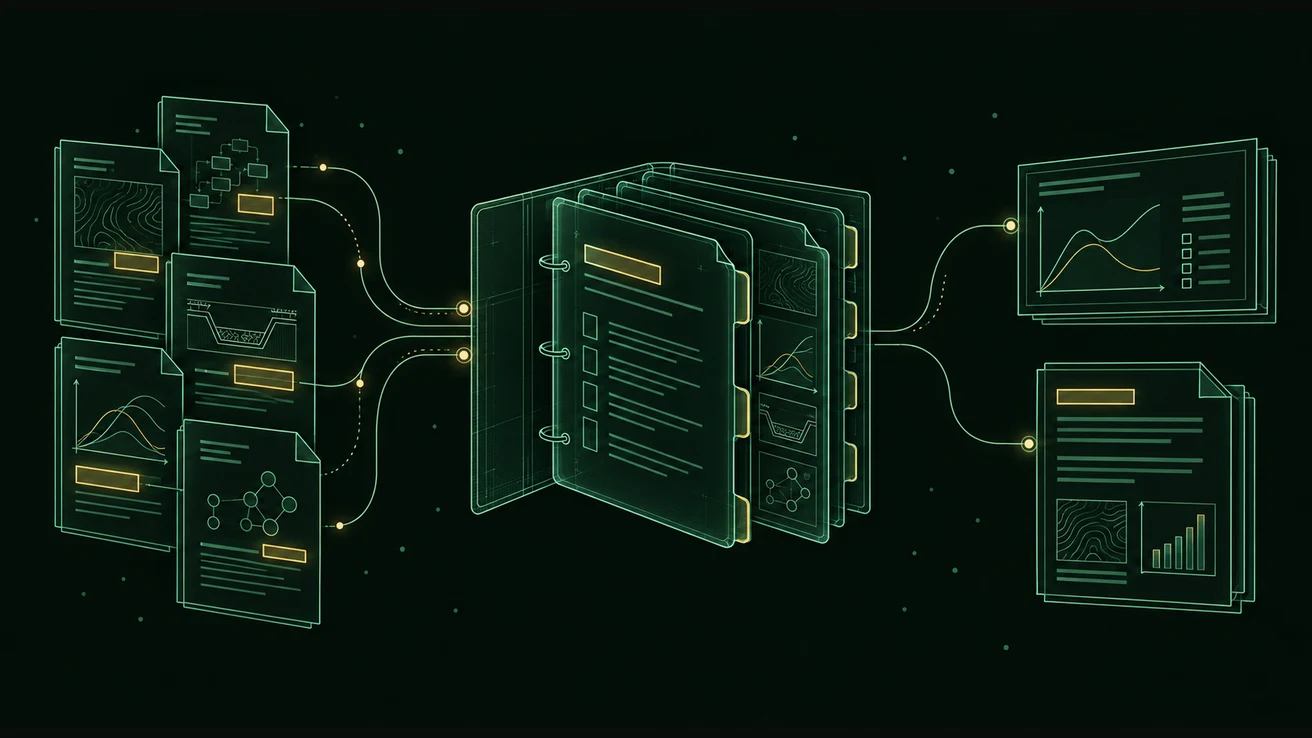
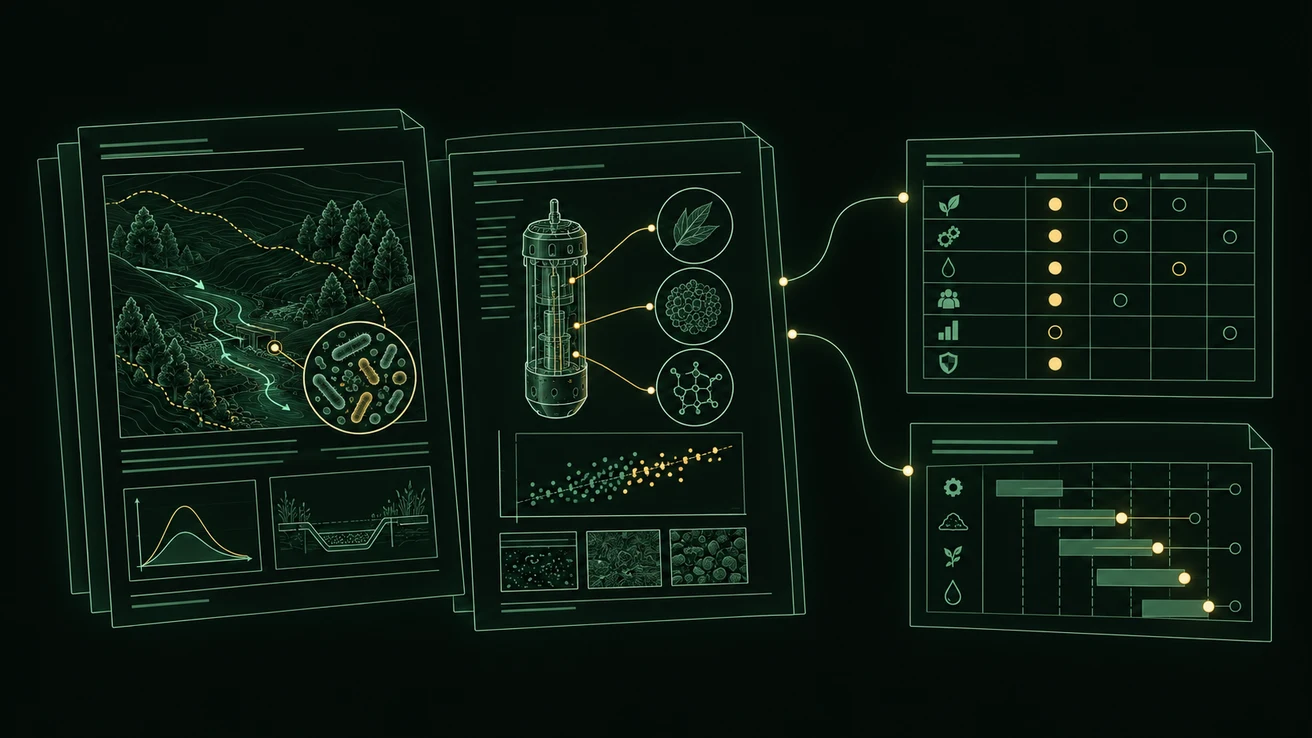
Workflow pipeline diagram: raw inputs through clean, model, and a go/no-go decision gate to a named deliverable.
Every engagement ends in a named deliverable and a clear stop condition, not a capability deck.

Start with one workflow, one decision, and one pilot scope.

Three calendar weeks after kickoff and receipt of the agreed source material

Bring one technical workflow that is slow, manual, or too fragile to automate blindly. I map how the work happens now, find the parts worth testing, and give you a pilot scope you can choose to build or reject.

You bring

  • Access to the people who run and own the workflow
  • Representative inputs and outputs from the workflow
  • Existing SOPs, process notes, or examples of how the work is done
  • Known security, regulatory, quality, or IP constraints
  • A decision-maker who can evaluate the proposed pilot

You leave with

  • A current-state workflow map
  • A time and cost baseline for the workflow, or a written note on what it would take to get one
  • A record of the handoffs, review points, and failure consequences
  • A breakdown of deterministic, model-assisted, and human-judgment steps
  • A risk-and-value ranking of the possible automation points
  • One bounded pilot specification with inputs, outputs, acceptance criteria, and stop conditions
  • An implementation estimate for that pilot
  • A build, narrow, defer, or stop decision memo

The ladder starts at half a day.

Four steps, each its own engagement. One ends in working code. The other three end in a written record you keep.

  1. 01

    Workflow Teardown

    A half day on one workflow with the people who run it, then a short readout: where the friction is, and whether the Sprint is the right next step.

    Teardown details →
  2. 02

    Diligence Sprint

    Three calendar weeks on one workflow. You leave with a pilot specification and a build, narrow, defer, or stop decision.

    Sprint details →
  3. 03

    Pilot build

    If the decision is build, the pilot runs in your environment on representative inputs, with agreed acceptance criteria and run records you can inspect.

    Pilot details →
  4. 04

    Ongoing advisory

    After the pilot proves out, or in place of one, advisory continues as a monthly retainer: a standing review cadence, a named response window, and a written advisory record. You opt in, and you can end it in any month.

    Advisory details →

One method, worked across different problems.

Each one shows the same method on a different problem: map the workflow, automate the parts that are safe to automate, and keep a domain expert on the rest. The domain changes. The method holds.

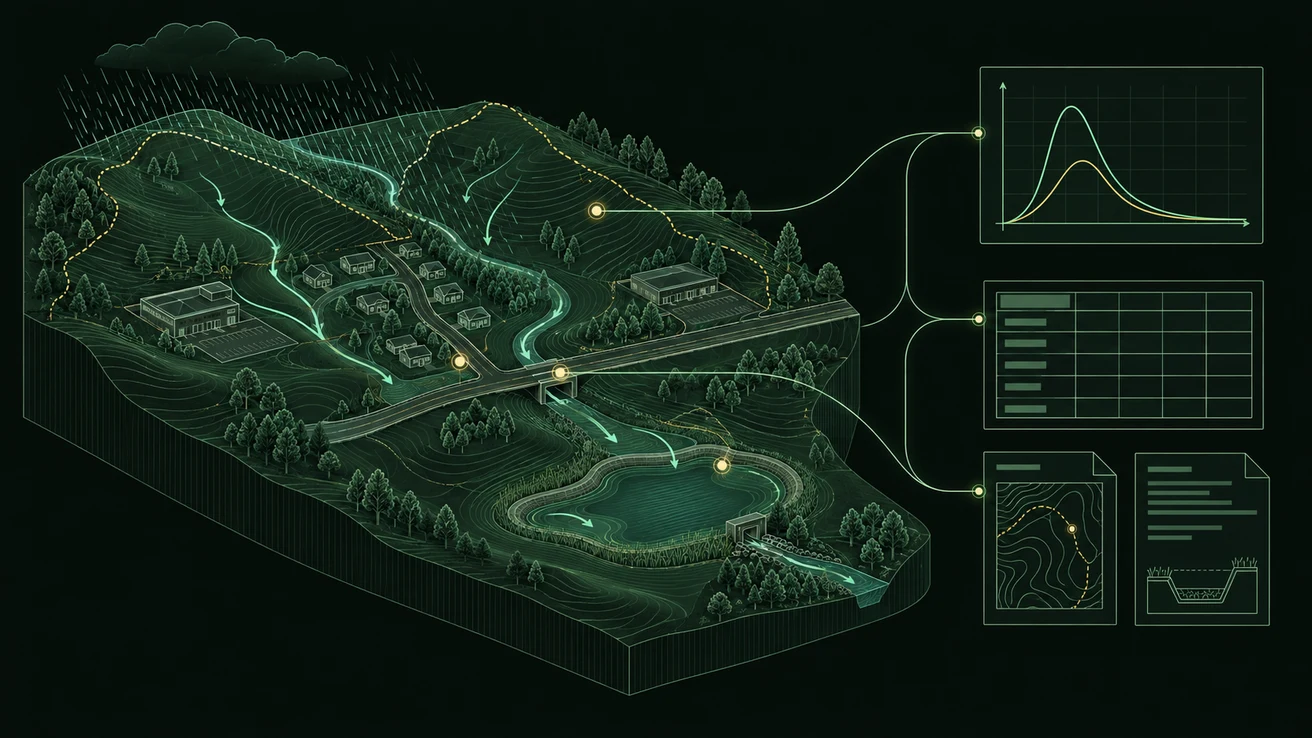
Drainage-area summary tool output.
Prototype
Workflow mapping: civil engineering Prototype build note

Drainage studies lose too many hours to data assembly.

Three prototype tools I designed in response to friction I observed in conversation with civil and water-resources engineers: drainage-area summaries, ordinance-criteria extraction, and Civil 3D vs SewerGEMS plan QA. Advisory only, every value cited or flagged for review.

Status Prototype design, not a delivered engagement

Read the walkthrough →
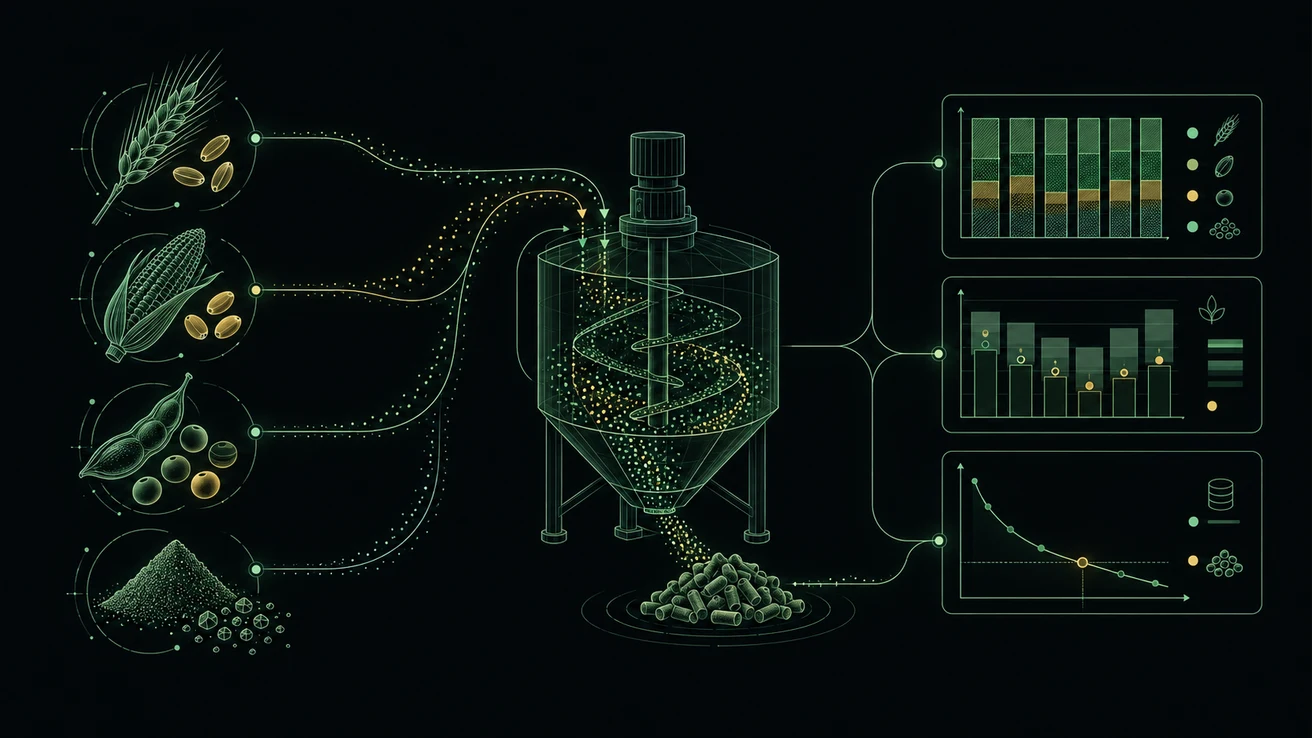
Abstract formulation pipeline: a grain kernel feeding an optimization network that resolves into a ration list on a mobile screen.
In-progress engagement
Workflow mapping: feed formulation · Synthetic-data walkthrough Worked example

Least-cost feed formulation is a solved problem. Trusting the nutrient matrix is not.

A demonstration pipeline on synthetic data: least-cost ration optimization with provenance on every nutrient value. Cited or flagged, applied to formulation.

Status In-progress engagement, shown here on synthetic data

Read the walkthrough →
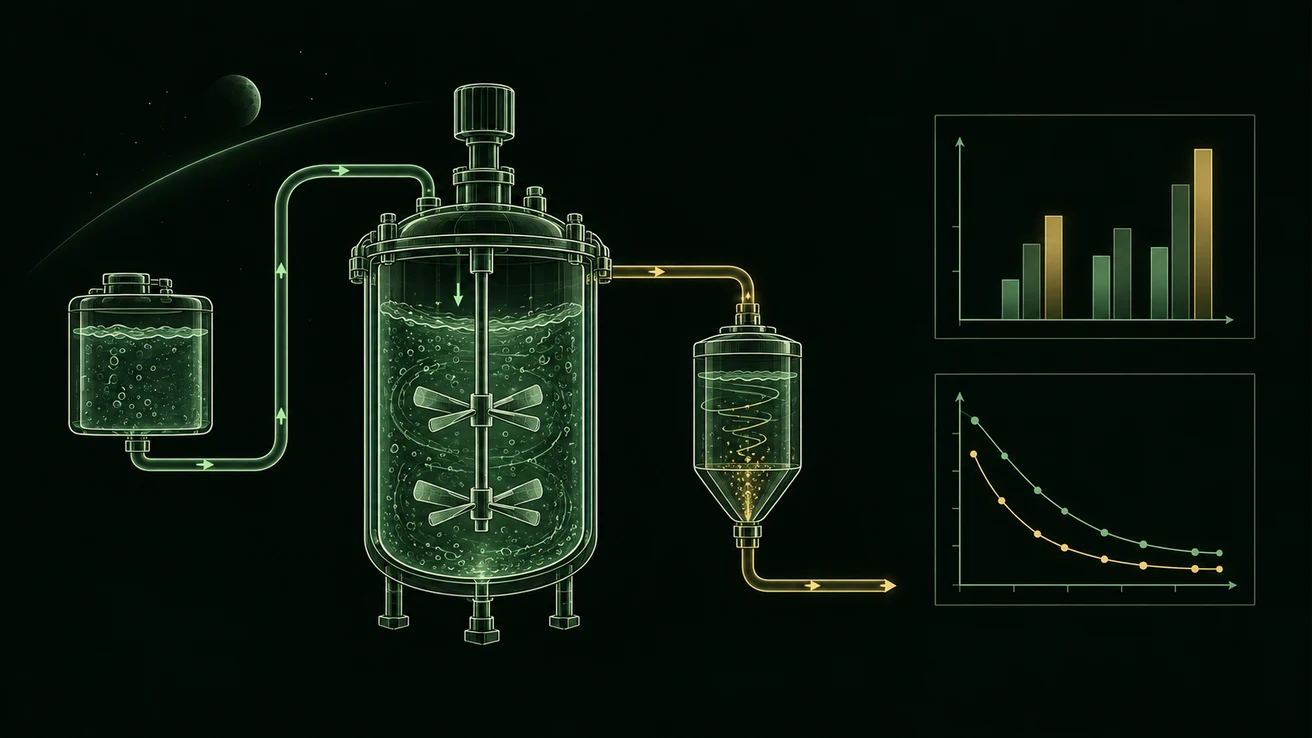
Abstract orbital bioprocess: a small bioreactor over a planetary horizon, joined by a sealed closed-loop flow.
Published/conceptual work
Workflow mapping: biotech R&D Conceptual TEA

Most techno-economic analyses minimize dollars. This one minimized mass.

A conceptual TEA of fermentation aboard a space mission, under DARPA BSURE. When the scarce resource is launch mass rather than dollars, the cost of every input is repriced. The transferable part is choosing the right objective function before building the model.

Outcome 258 kg/yr lactic acid from a 10 L orbital bioreactor · yeast platform 37% lower system mass · conceptual TEA, FOCAPD 2024

Read the walkthrough →
Abstract proposal pipeline: a document feeding a tokenized network that resolves into a generated digest and slide deck.
Delivered engagement
Workflow mapping: proposals and reports Build note

Recurring proposal work loses too many hours to reassembly.

A proposal pipeline delivered for a client: tokenized narrative templates, a searchable corpus of prior work, and digest and deck generation derived from the narrative. Client and engagement details are withheld.

Status Delivered client work

Read the walkthrough →
Abstract retrieval engine: a question feeding a hybrid-ranking network that resolves into a cited answer.
Delivered engagement
Workflow mapping: knowledge retrieval Benchmarked build note

Asking an AI about your own documents is easy. Knowing the answer is true is not.

A retrieval engine delivered for a client that answers questions from a document set with a resolvable citation behind every claim, plus a model router across Claude, OpenAI, and Ollama. Benchmark numbers come from that engagement; client identity and data are withheld.

Status Delivered client work

Read the walkthrough →
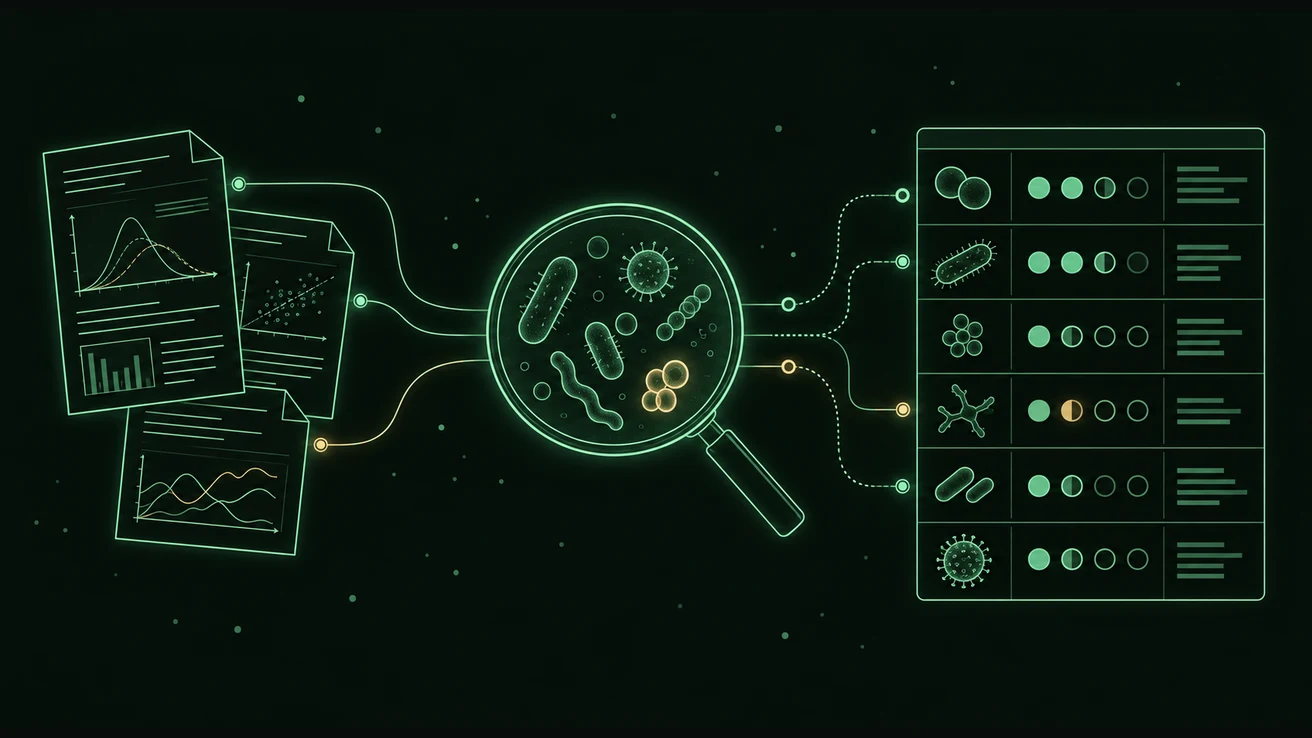
Abstract evidence-curation lattice: a literature record feeding a confidence-graded grid that resolves into a validated entry.
Delivered engagement
Workflow mapping: evidence curation Build note

What the literature says and how well it says it are different questions.

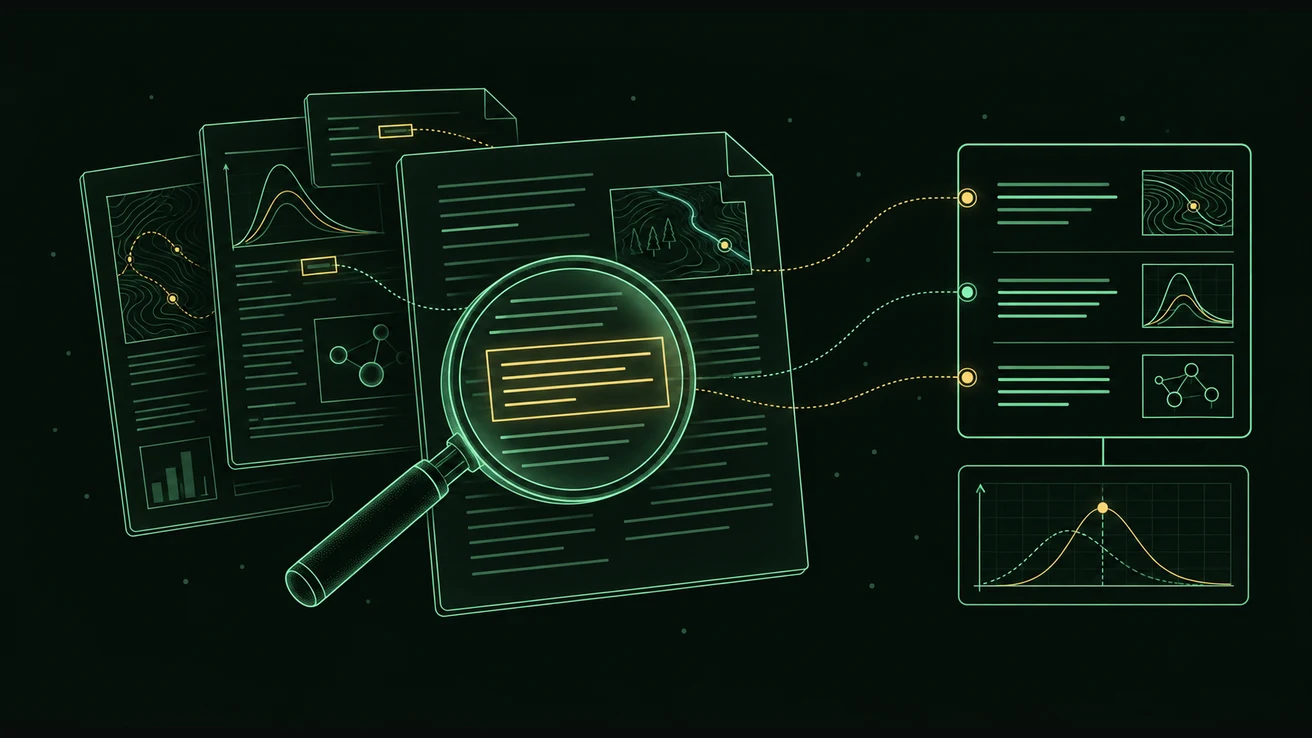
A curation pipeline delivered for a client that grades the evidence behind every row of a reference database and keys each grade to its source citation. Run on the published virulence-factor literature: 3,500 rows, 571 organisms, 1,402 rows at 0.8 confidence or above. Client and engagement details are withheld.

Status Delivered client work

Read the walkthrough →
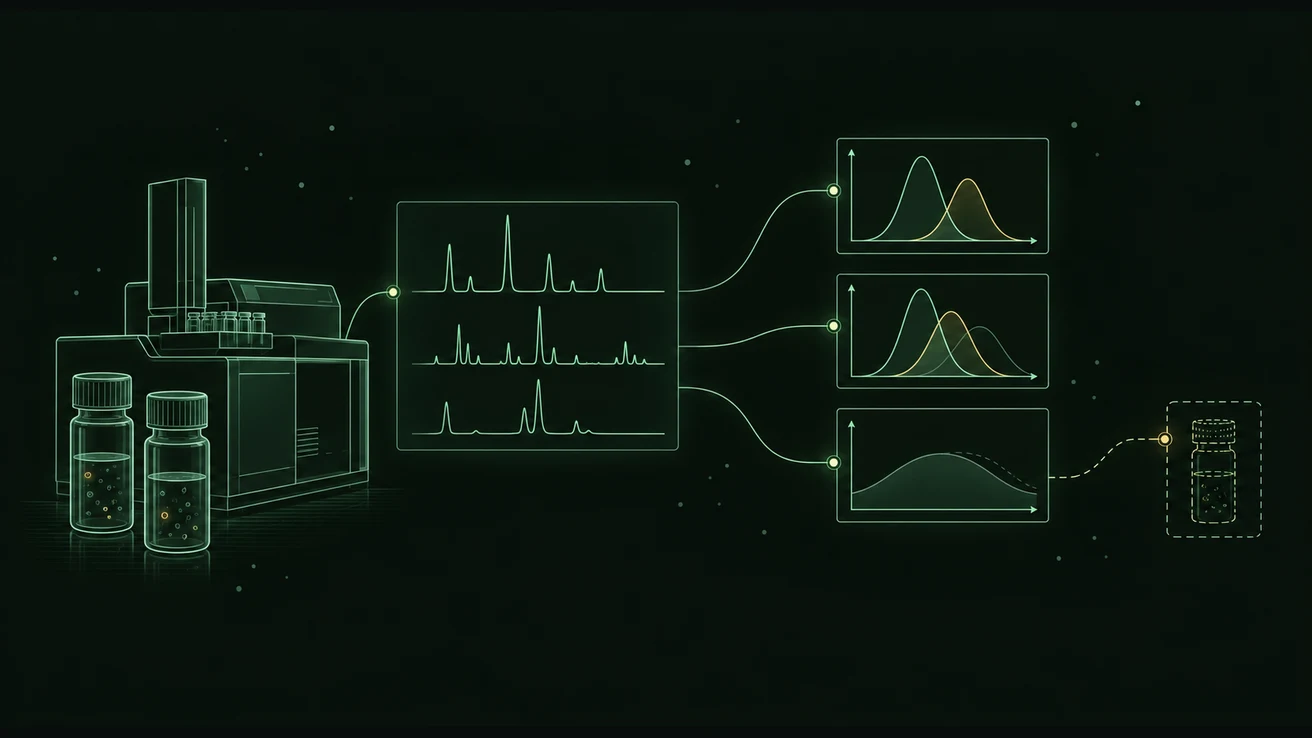
Abstract five-axis attribution radar: analytical-instrument data feeding a pentagon of weighted hypotheses that resolves into a confidence reading.
Delivered engagement
Workflow mapping: forensic attribution Build note

The most useful output of an attribution engine is sometimes 'not enough evidence.'

A Bayesian attribution engine delivered for a client that updates five hypotheses about a sample from analytical-instrument data and refuses to complete an analysis until three of five axes clear 70 percent confidence. Client identity and case details are withheld.

Status Delivered client work

Read the walkthrough →
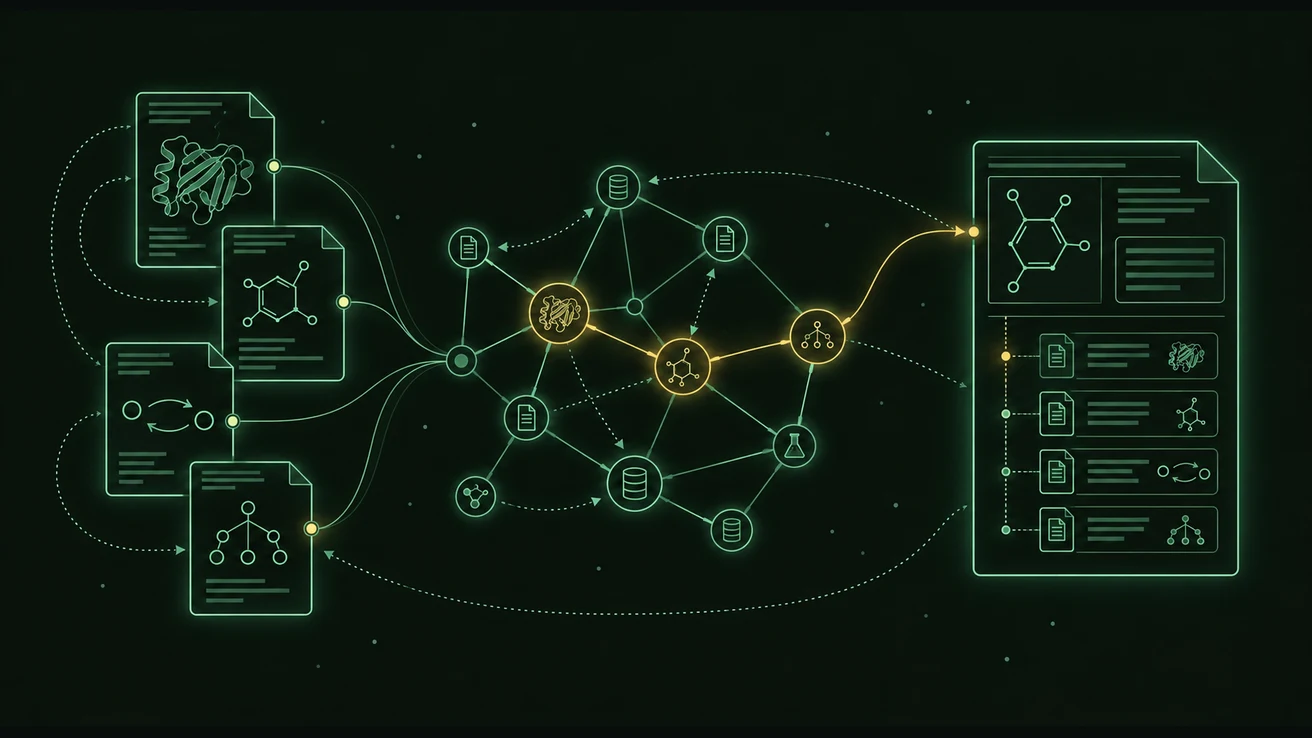
Abstract provenance graph: disparate sources feeding a validated node network that resolves into an audited record.
Delivered engagement
Workflow mapping: data governance Build note

Regulated data work needs lineage. Most pipelines ship trust instead.

A knowledge-graph pipeline delivered for a client where provenance is structural: pinned sources, validated records, a source behind every node and edge, and queries that abstain when support is missing. 106 passing tests; 12 of 14 competency questions pass. Client and engagement details are withheld.

Status Delivered client work

Read the walkthrough →

Career systems that had to work in the real world.

These are career precedents, not consulting-engagement results. They show the same discipline the Sprint applies: process design and technical systems that had to hold up at commercial scale.

≈ 86% per-sample cost · production scale

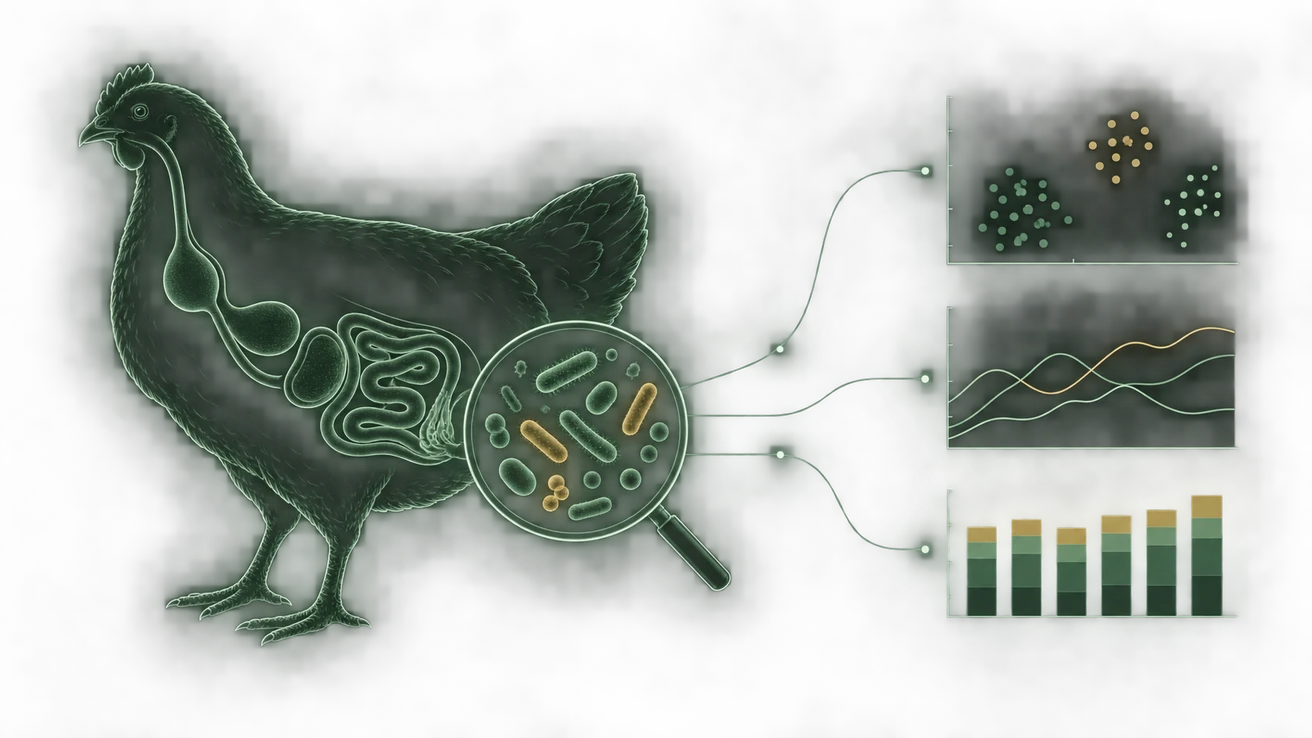
A microbiome analytics platform commercialized as Galleon™ Broiler Microbiome Intelligence reduced per-sample analysis cost by approximately 86% at full production scale. The 2023 Gold Edison Award recognized the platform that resulted.

Galleon™ Broiler Microbiome Intelligence (major animal-nutrition company) · 2023 Gold Edison Award winner

> 80% of the global poultry market reached

An animal-health diagnostics platform I led the technical build of, as an employee, is deployed across the large majority of the global poultry market. The same discipline drives every Lab-to-Plant Process Plan engagement: process design that survives the jump from lab to plant.

Animal-health diagnostics platform · commercial deployment

Multiple technologies advanced to proof-of-concept

Multiple technologies moved from concept to validated proof-of-concept under a single coherent IP strategy for a major animal-nutrition business. Three related filings are named-inventor US patents on record.

IP strategy engagement · animal-nutrition R&D portfolio

Reliability is the product.

AI is very good at doing the wrong thing correctly. The discipline below is how I catch the confident wrong answer before it reaches your workflow.

Read the full method →
  • Sealed workshop, not loose in your systems.

    The agent works in a contained workstation with the tools it needs and nothing else, walled off from your network and operations.

  • Real-workflow checks, not just passing tests.

    AI-built work routinely passes its own tests and still does nothing in the real flow of the job. I check the work in that flow, on the inputs and handoffs the job actually has, before it counts as done.

  • Every number cited to a source.

    Where a value has to be right, it comes from the source document, the published table, or a federal data feed, with a citation. Never from the model's guess.

  • Domain-expert review, every time.

    I am not a domain expert in everything I touch. Your domain experts review the output before it ships. My job is the workflow map and the build path, not overriding your judgment.

The same method, applied across the work around the Sprint.

These are the capabilities that feed a Sprint or follow from it. They are the same method applied to the decisions around automation, not a separate line of business.

Workflow Engineering

Building and hardening the automation itself, once the Sprint has scoped it.

Scientific & R&D Decision Support

Deciding what is worth building, and proving the case before capital is committed.

Federal & Technical Communication

Getting technical work funded and understood by reviewers, boards, and the public.

Dr. Vernon McIntosh, AI/ML workflow engineer and consultant

Dr. Vernon McIntosh

Founder & Principal Consultant

I am an AI/ML workflow engineer and consultant. My core is composing your current process into an automation pipeline your team trusts, with fidelity, reliability, and security designed in. The cross-domain range is proof the method transfers across fields: a microbiome analytics platform that reduced per-sample cost by approximately 86% and won the 2023 Gold Edison Award, a diagnostics platform deployed across the large majority of the global poultry market, multiple technologies moved to proof-of-concept under one IP strategy, and named-inventor US patents in metabolic engineering and yeast biosystems. PhD in Microbiology from the University of Tennessee, Knoxville.

AI/ML Workflow EngineeringAutomation & Data ScienceMetabolic EngineeringFederal Proposal SystemsCivil Engineering Tooling

The record, on file.

Named inventor on granted US patents in metabolic engineering and yeast biosystems. Doctoral research on the transcriptional response of microbial systems to chemical stressors. Everything below is on file and verifiable.

Research & Recognition

Practical notes for teams moving AI into real work.

Perspectives on AI systems, R&D, and engineering workflows.

Bring one workflow.

Bring one workflow that is slow, manual, or too fragile to automate blindly. In 30 minutes we decide whether it is a fit for the Sprint, needs a narrower first step, or is better left alone.