Different problems. A broad technical range.
Explore what I can help you build, understand or decide. These cases cover data modeling, practical AI, business tools, technical feasibility and bioscience. The original industries provide the evidence; the business questions often travel much further.
Each example distinguishes completed work, research implementations, prototypes and illustrative walkthroughs. Start with the problem that sounds familiar, then explore the technical detail.
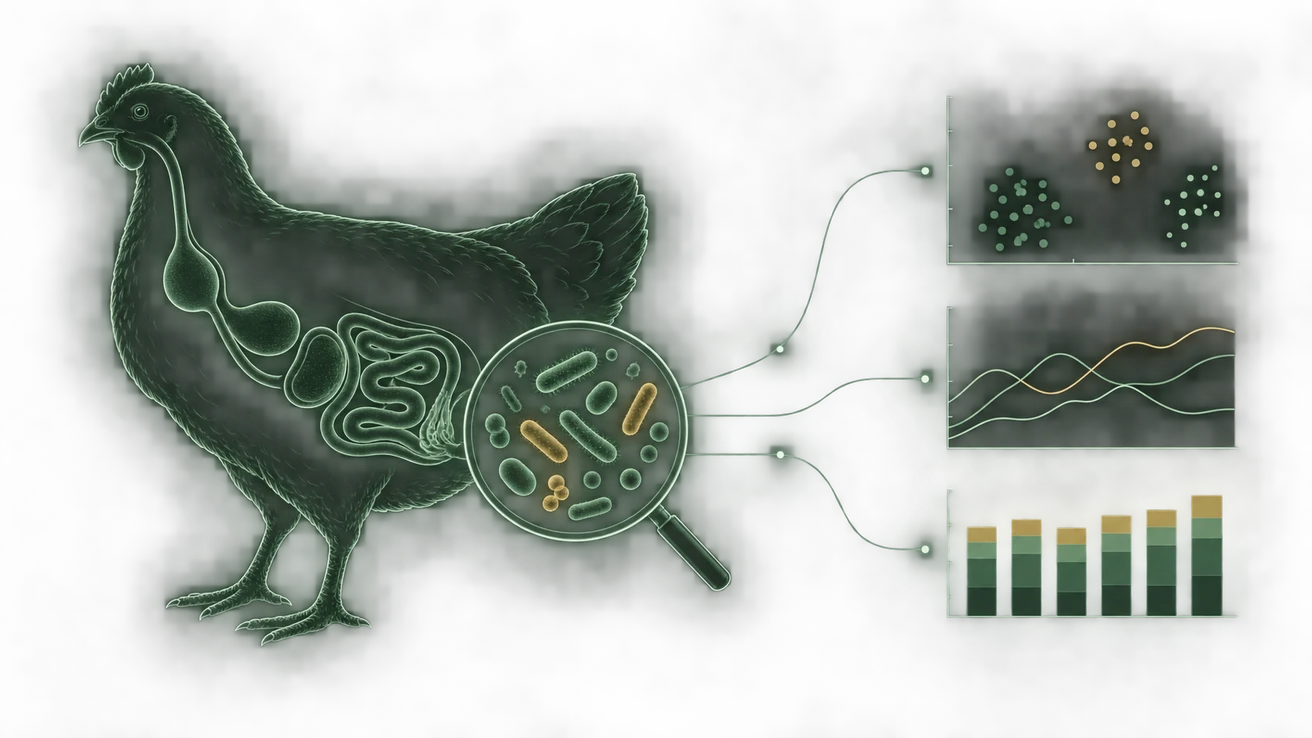
Turn complex data into a product customers can use.
I brought scientific modeling, product development and customer economics together to turn a Cargill research program into a commercial decision tool. The original application was poultry nutrition; the broader skill is making complex data useful and affordable for customers.
Status Historical employment work · Analysis cost reduced from $180 to $25 per sample
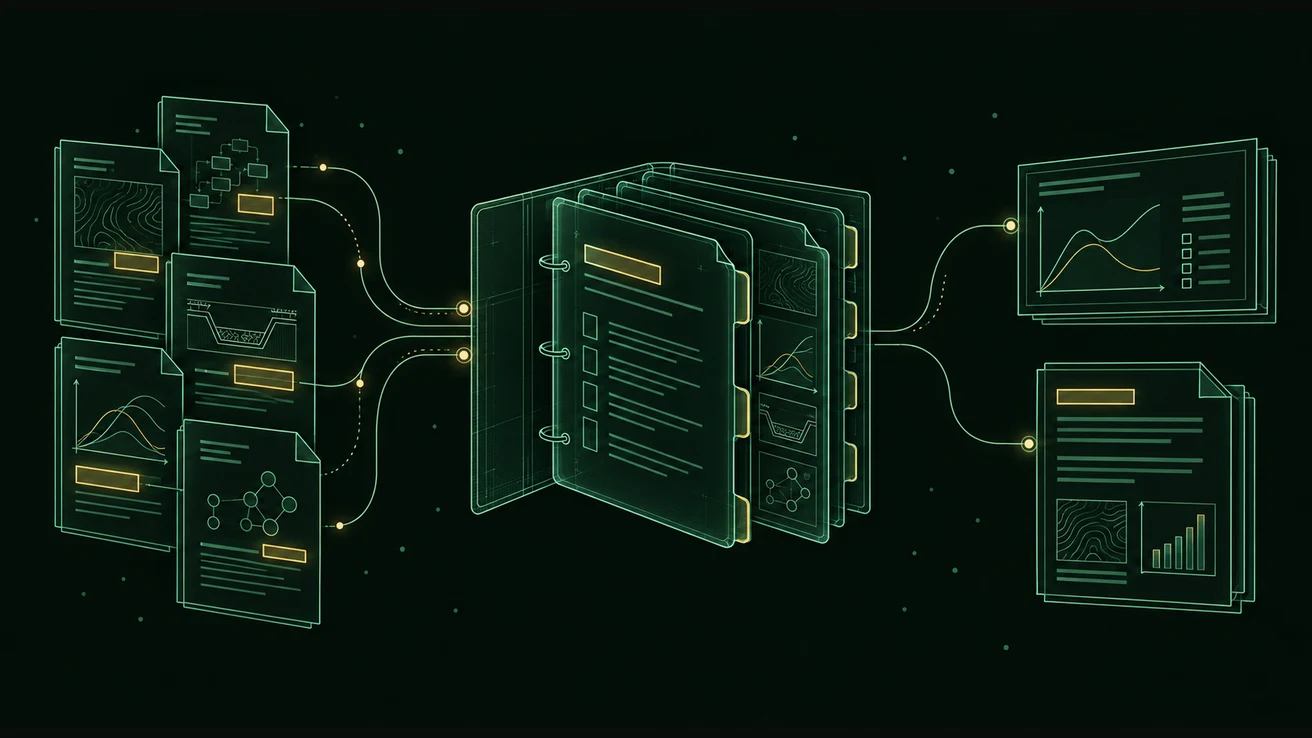
Put existing knowledge to work on the next proposal.
I built tools for reusing prior work, assembling proposal drafts and producing supporting documents. The wider opportunity is recurring business writing that starts with information your team already has.
Status Team use reported; business-impact metrics not established
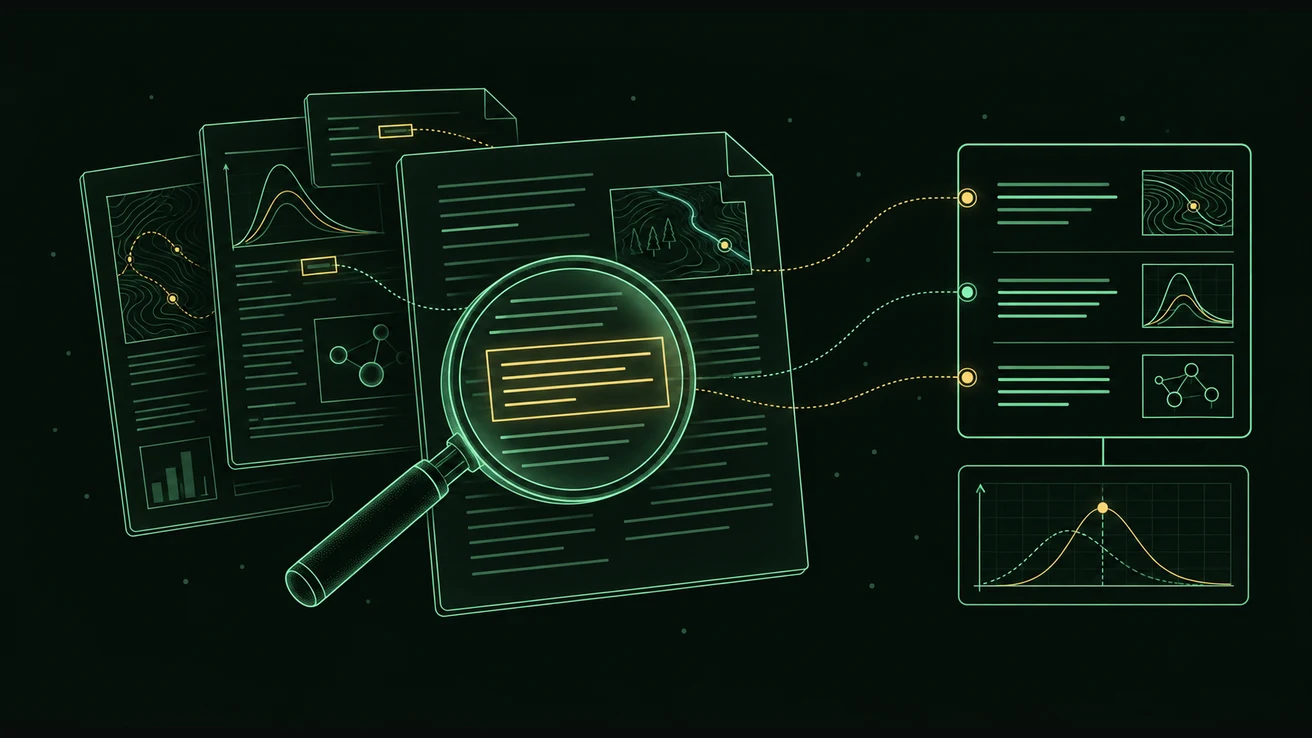
Ask questions of your documents. Check the sources.
I built a document-retrieval system that connects answers to supporting passages. It demonstrates how AI can help people work with a body of information while keeping the evidence available for review.
Status Built and tested on a small, controlled document corpus
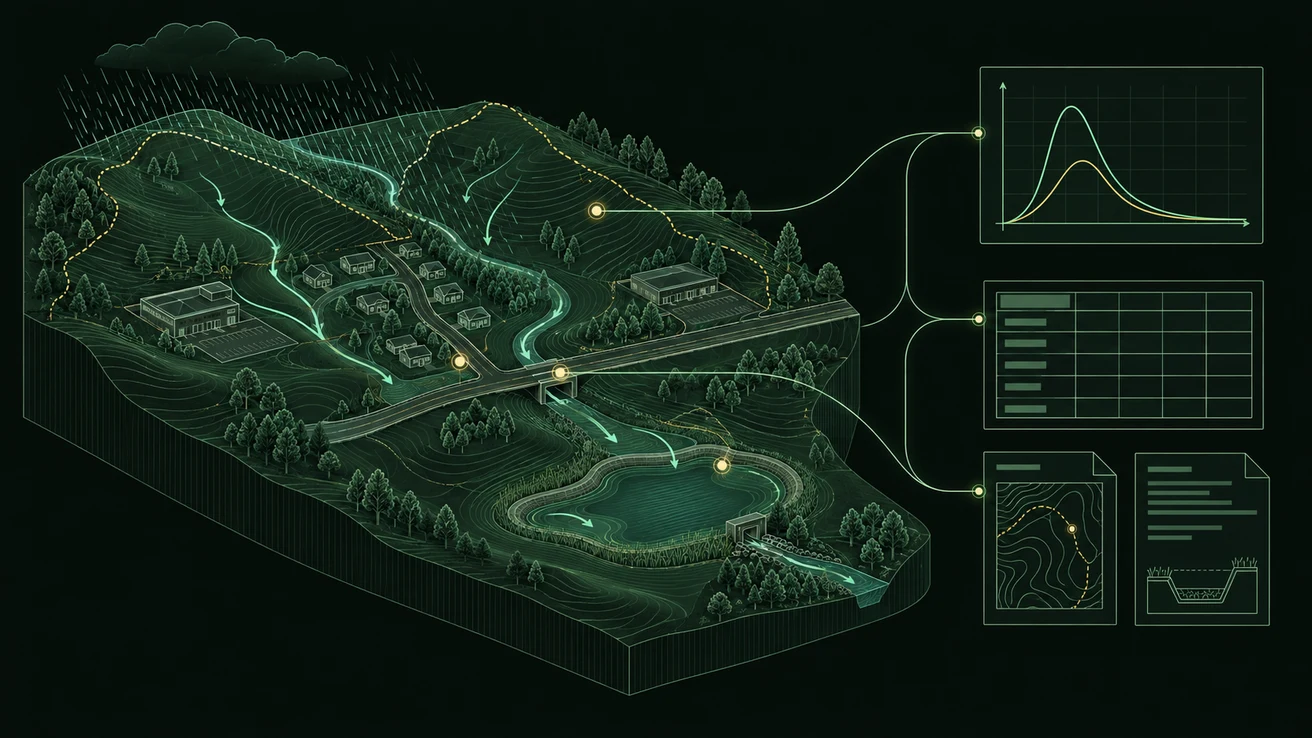
Bring scattered project data into one reviewable workflow.
I designed engineering prototypes to assemble information, extract requirements and flag discrepancies. The capability is turning fragmented files and repetitive checks into a tool a specialist can review.
Status Prototype design; no real-project results claimed
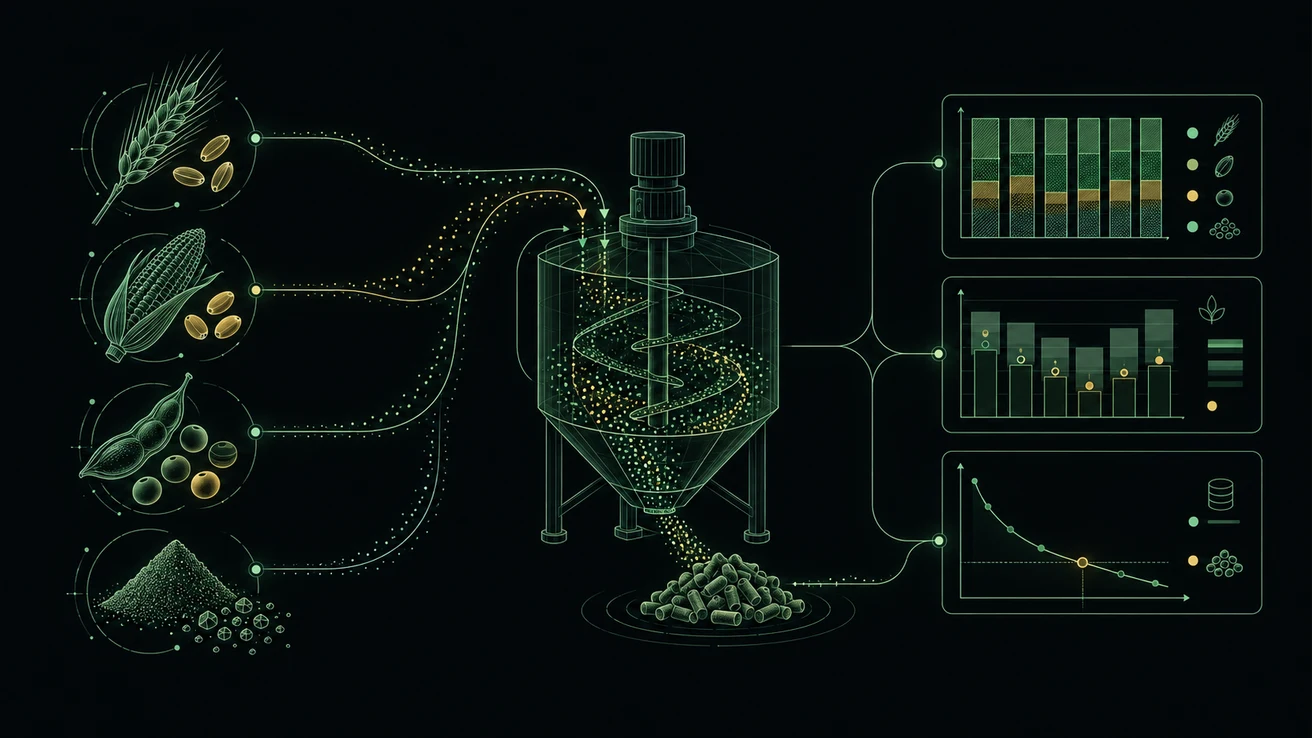
Compare your options under real constraints.
A synthetic-data feed-formulation example connects cost, requirements and input quality. It shows how a decision model can make tradeoffs visible and help a user trace the assumptions behind a recommendation.
Status Illustrative data; no client results or completed implementation claimed
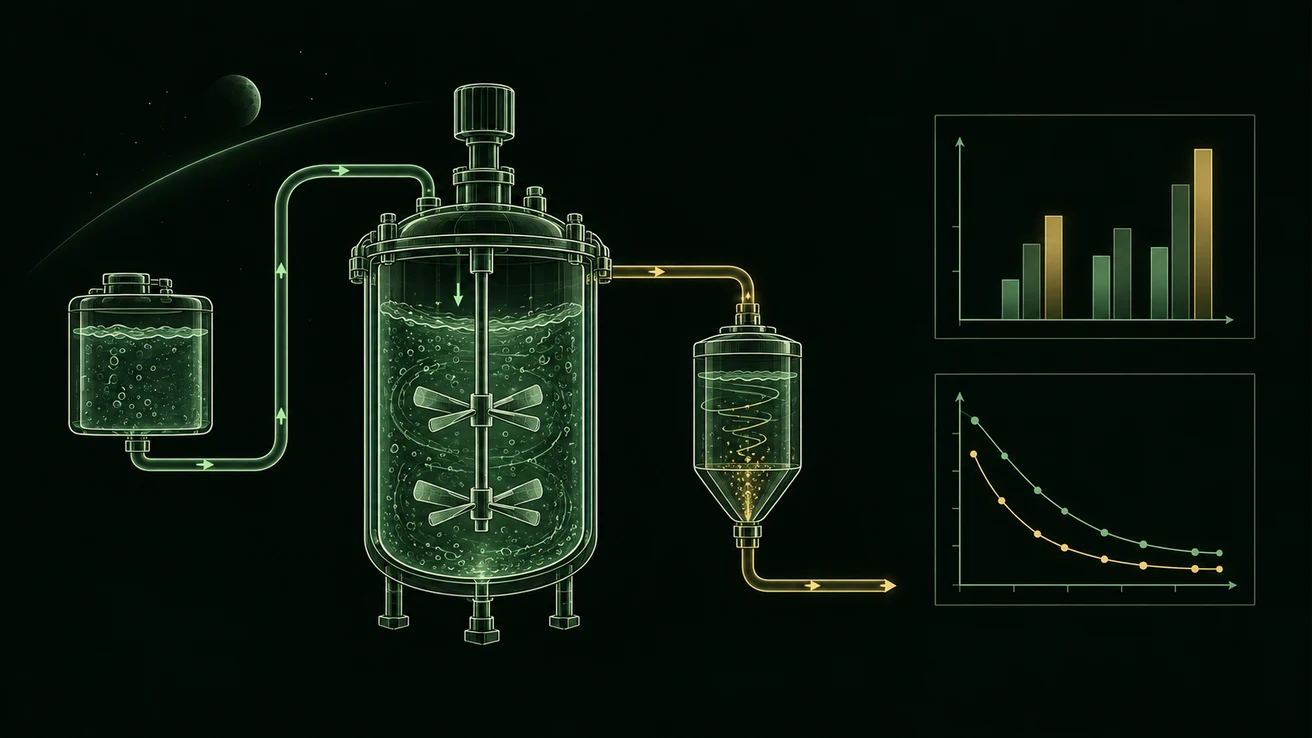
Test the economics before committing to the build.
I developed organism strategy, a conceptual bioprocess and technical-economic analysis for a space-biomanufacturing study. The practical skill is comparing technical options against the resource that actually limits the project.
Status Conceptual design and analysis; not deployed hardware

Make the quality of the evidence part of the answer.
I built a biological reference catalog that connects findings to their sources and grades their supporting evidence. It demonstrates research synthesis and a disciplined way to distinguish strong support from uncertainty.
Status Evidence catalog; grades support expert review
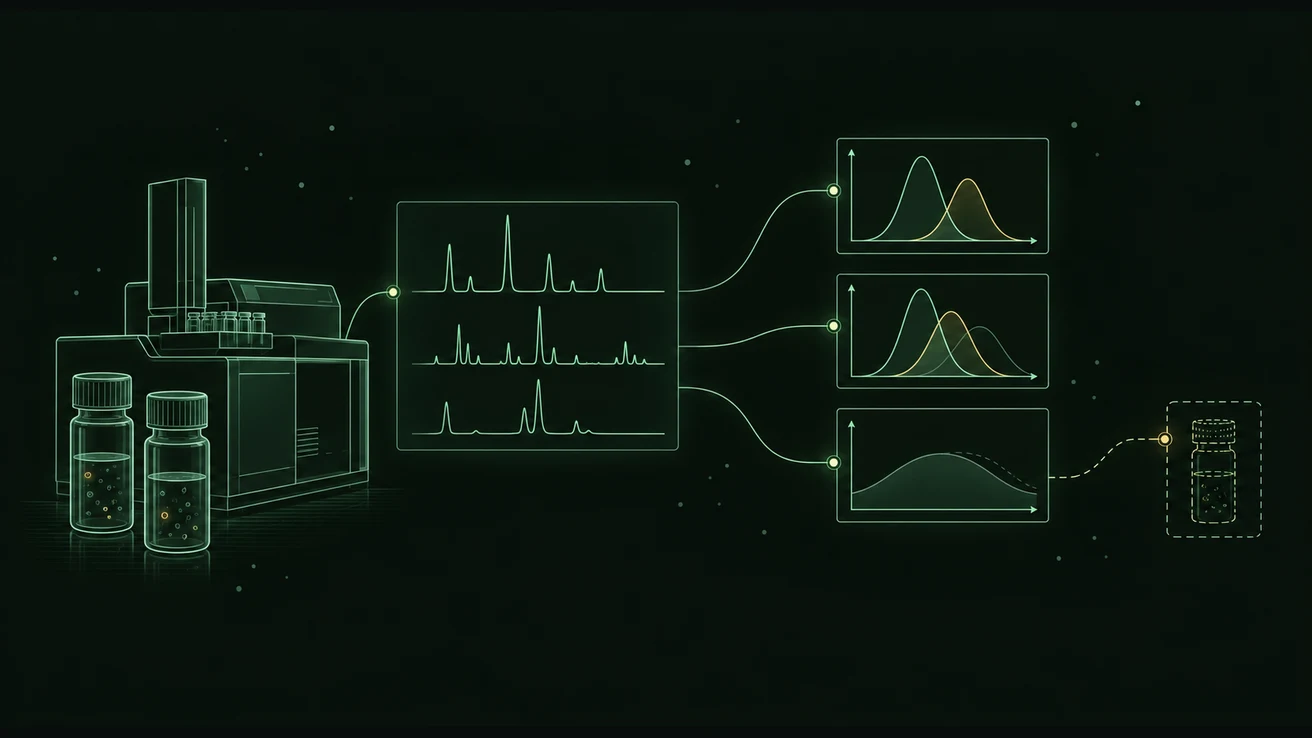
Weigh competing explanations before drawing a conclusion.
I built an analytical evidence system that updates competing explanations as new information arrives. It makes uncertainty visible and identifies when the available evidence is insufficient for a conclusion.
Status Evidence-assessment software; conclusions require qualified review
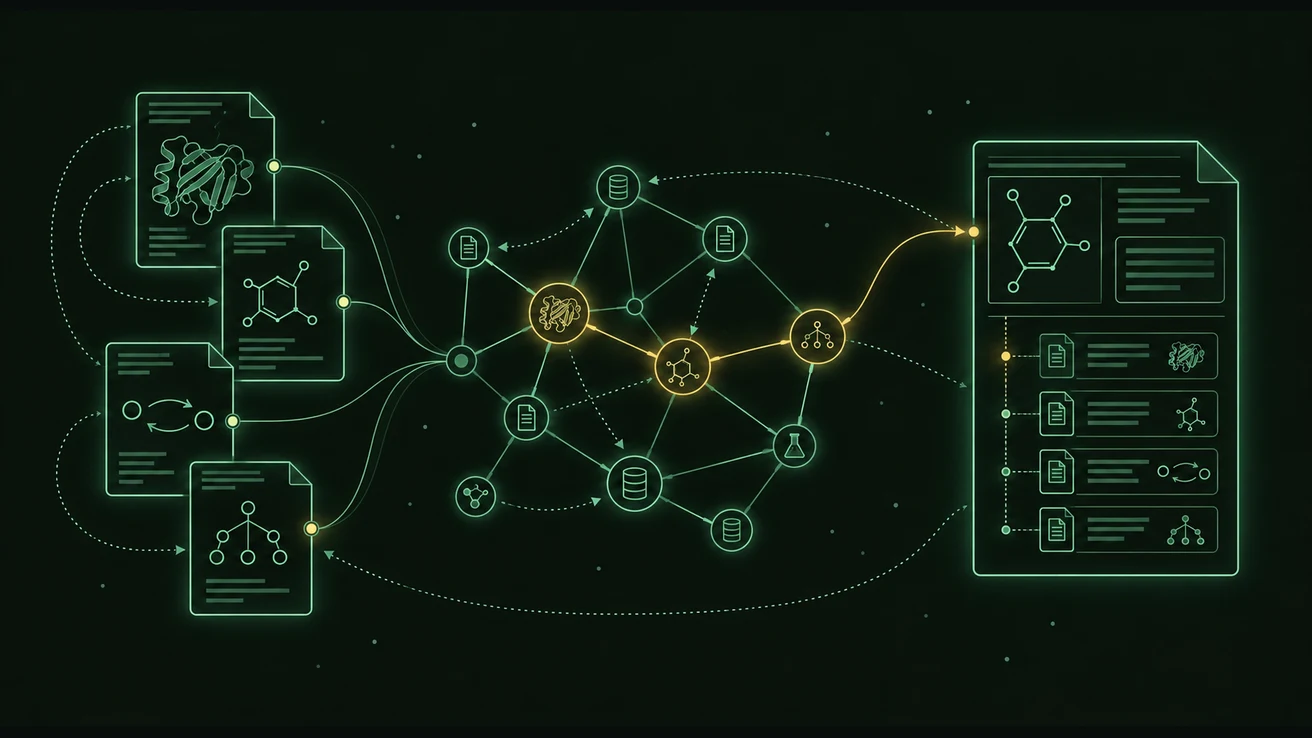
Connect information without losing where it came from.
I built a scientific knowledge-graph proof of concept that connects records from different sources and preserves their provenance. It shows how linked information can remain inspectable as it moves through an analytical workflow.
Status Research proof of concept on a bounded dataset
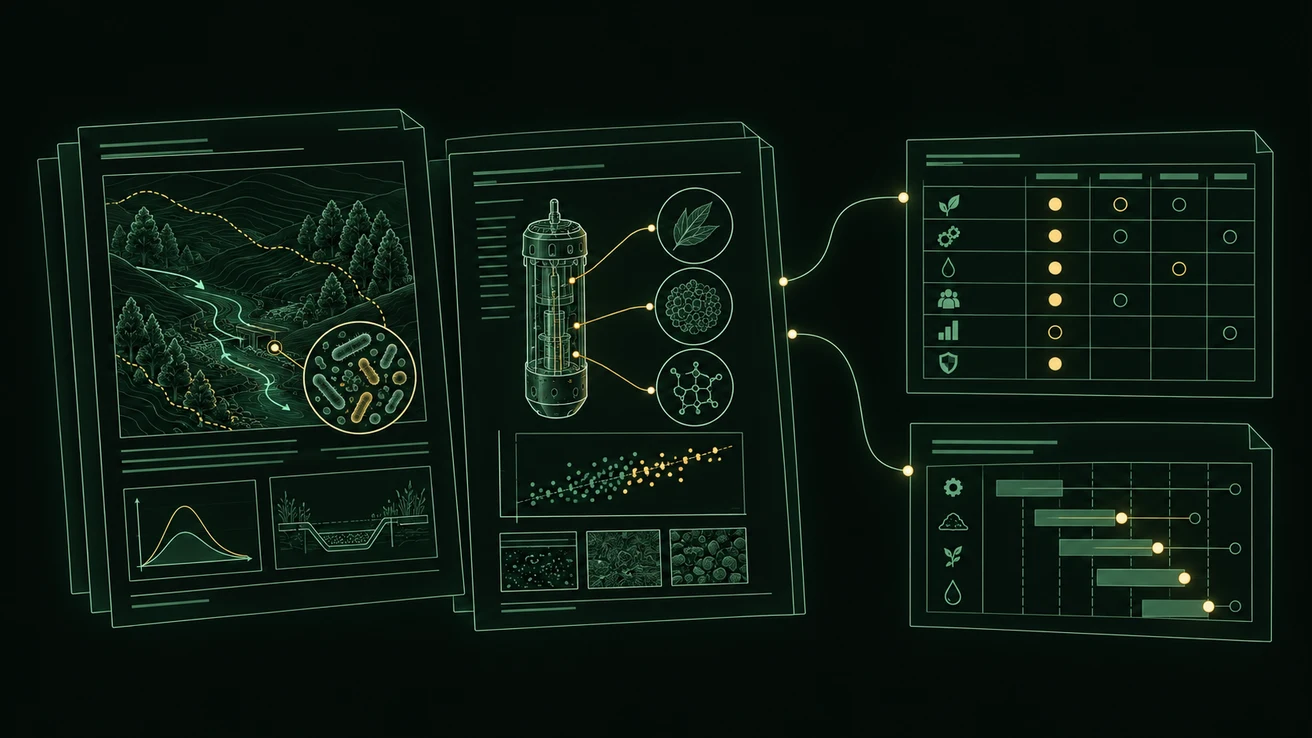
Turn a technical idea into a proposal a reviewer can assess.
An illustrative proposal review connects a technical concept to funding criteria, evidence gaps and a revision plan. It shows how I structure a difficult technical decision before more writing or development begins.
Status Illustrative service walkthrough; not a client result